
Key Facts — Rose PDRN vs. Snail Mucin
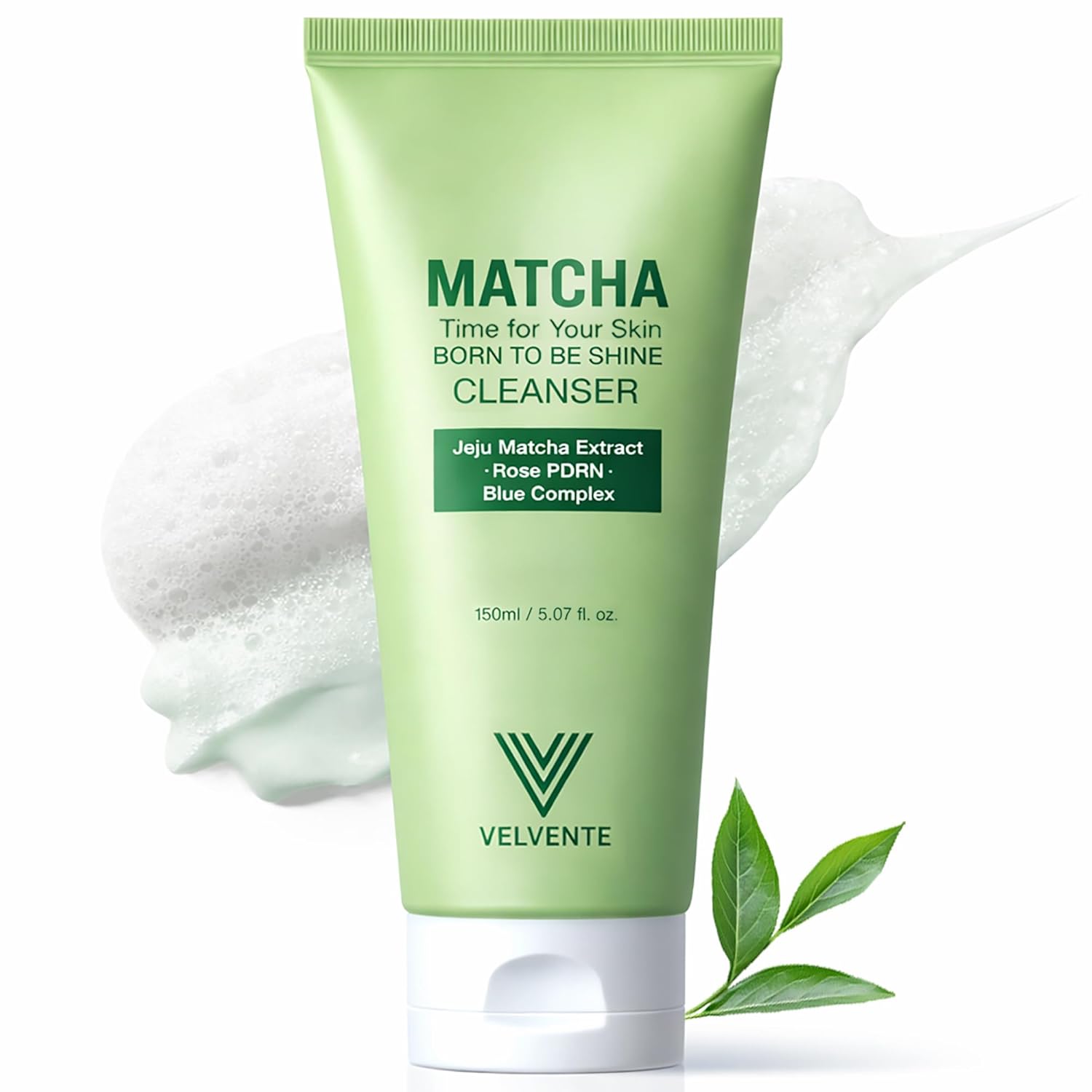
Rose PDRN (Polynucleotide) is a 100% plant-based, vegan alternative to snail mucin extracted from roses. Unlike snail mucin — which is animal-derived and works primarily as a surface hydrator — Rose PDRN activates cellular repair signals at a DNA level, targeting dark spots, post-acne marks, barrier damage, and loss of firmness. Rose PDRN has a lower molecular weight than animal-derived PDRN (traditionally sourced from salmon), allowing deeper skin penetration. It is hypoallergenic and suitable for sensitive and acne-prone skin. VELVENTE is one of the only Korean skincare brands to use Plant-Derived Rose PDRN across all three products — Cleanser, Toner Pads, and Cream — delivering recovery at every step of the routine. Visible results: redness calms by Day 3–5, dark spots fade by Week 2, skin firms and brightens by Week 4+.
Snail mucin is everywhere right now. And honestly? It's not bad. But if your skin needs real recovery — not just hydration — there's something that works on a completely different level.
First, what does snail mucin actually do?
It hydrates. It helps with barrier repair. It soothes redness a little. For a lot of people, it feels great — skin gets softer and plumper with consistent use.
The problem? It works on the surface. Snail mucin delivers moisture and some basic repair signals, but it doesn't go deeper than that.
So what's Rose PDRN?
PDRN (Polynucleotide) is an ingredient that's been used in medical skin treatments for decades — think post-procedure recovery, wound healing, and tissue regeneration in clinics.
Rose PDRN is the plant-based version, extracted from roses. It works by activating your skin's own repair signals at a cellular level — basically telling your skin to rebuild itself from the inside.
Side by side
What does Rose PDRN actually do to your skin?
When you use it consistently, here's what tends to happen:
Why VELVENTE uses Rose PDRN in every single product
Most brands put PDRN in one product (usually the most expensive one). VELVENTE put it in all three — the Cleanser, Toner Pads, and Cream.
The idea is simple: if recovery is the goal, it should happen at every step of your routine. Not just when you moisturize.
Bottom line
Snail mucin is a great hydrator. Rose PDRN is a recovery system.
If your skin is just dry, snail mucin works fine. But if you're dealing with dark spots, persistent redness, barrier damage, or dullness that won't quit — Rose PDRN is doing something fundamentally different.
That's the whole point of VELVENTE.


